






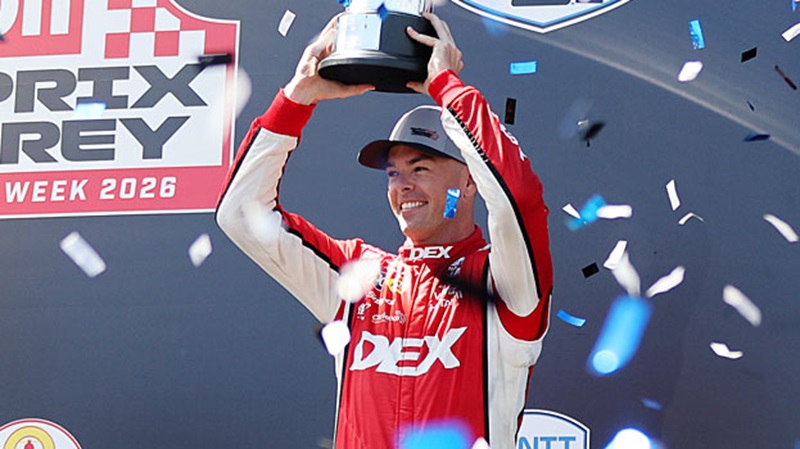


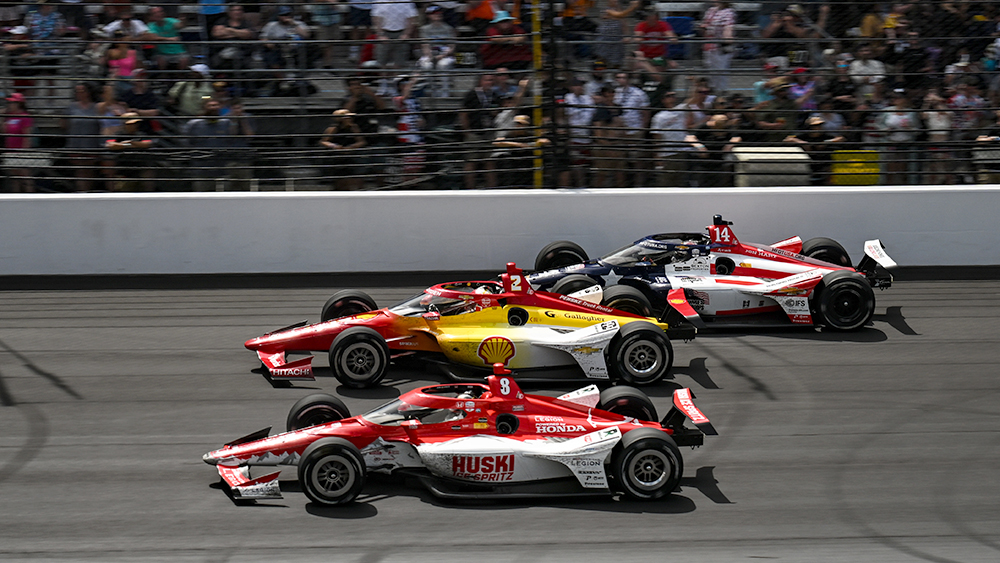
Pedal to the Metal: Strategy Shifts in Close New Era for ‘500’

Eric Smith
INDYCAR Staff Writer
MAY 23, 2026
Entering the 110th Running of the Indianapolis 500 presented by Gainbridge, “The Greatest Spectacle in Racing” continues to evolve.
The racing is faster, tighter and more unpredictable than ever -- and the numbers prove it.
Halfway through the 2020s, the decade has produced record trends in average race speed, cars running at the finish and cars on the lead lap. That has transformed how drivers approach the most demanding 500 miles in motorsports.
“This race is just really hard to win,” said Marcus Ericsson, driver of the No. 28 Phoenix Investors Honda for Andretti Global. “It’s such a long race and there are so many things you need to get right. Even when you do everything right, it’s still not over until it’s over.”
A century ago, during the 1920s, an average of 12.7 cars were running at the finish, with only 9.8 on the lead lap. The average race speed was 95.162 mph, and the average margin of victory was 2 minutes, 14 seconds.
Even in the 2000s (2000-09), the average margin of victory was 2.169 seconds, with only 10 cars on average finishing on the lead lap. Last decade (2010-2019), that margin shrank to 1.6461 seconds while the average number of lead-lap finishers climbed to 14.
This decade has reached another level.
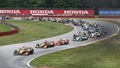
The average margin of victory in the 2020s is just .3016 of a second. Average race speed has climbed to 171.464 mph. An average of 24.5 cars are still running at the finish, with 19.2 on the lead lap.
The result is a race where far more drivers remain in contention deep into the closing laps and where mistakes are punished instantly.
Since 2010, there have been 16 lead changes within the final 10 laps of the race. From 1911-2009, there were 17. Two of the four last-lap passes for victory in race history also have occurred within the last three years, both by Team Penske driver Josef Newgarden in 2023 and 2024.
That evolution has fundamentally changed race strategy.
Over 500 miles, track conditions constantly shift through temperature swings, cloud cover and changing winds. Add at least five pit stops, more than any other NTT INDYCAR SERIES race, and the challenge becomes a constant battle of driver vs. car vs. track vs. competition.
In past eras, there may be a handful of cars on the lead lap, giving teams time to adjust. Sunday, a bad adjustment could drop a driver running in the top five to outside the top 20.
Scott Dixon, a six-time INDYCAR SERIES champion and 2008 Indianapolis 500 winner, has won this race once in 23 starts. That reality underscores how unforgiving Indianapolis has become, even for one of the greatest drivers ever.
Drivers on Sunday will spend much of the race positioning themselves for the closing sprint while balancing tire wear, fuel strategy and changing conditions.
“You must know how to handle the car in those situations and when to make moves and when to ride it out,” said Pato O’Ward, driver of the No. 5 Arrow McLaren Chevrolet. “I think sometimes it’s risk, sometimes it’s timing, sometimes it’s picking your fights.
“The final stint, the pace gets faster. Whatever issues you’ve been having all day will be exposed.”
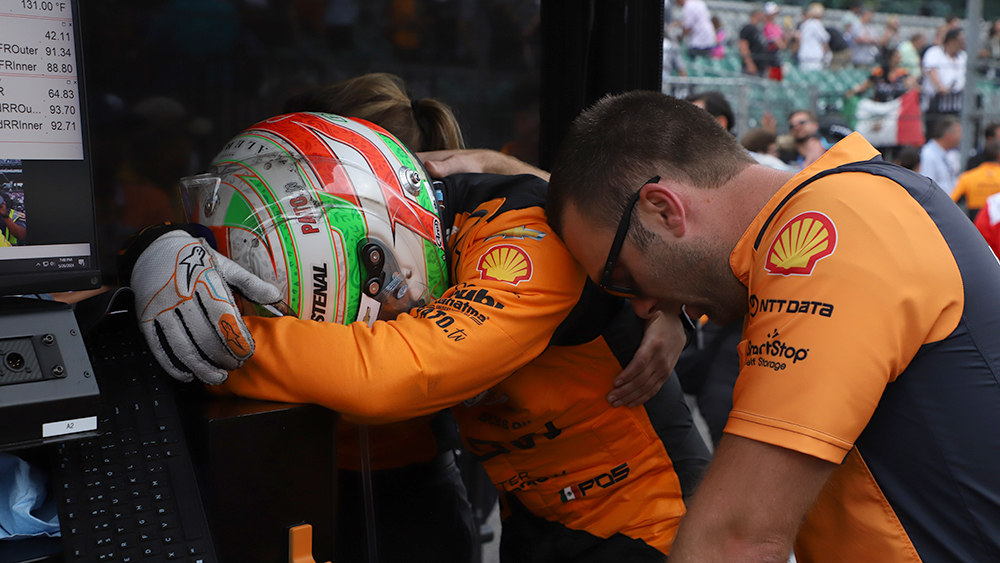
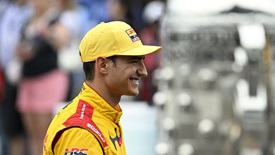
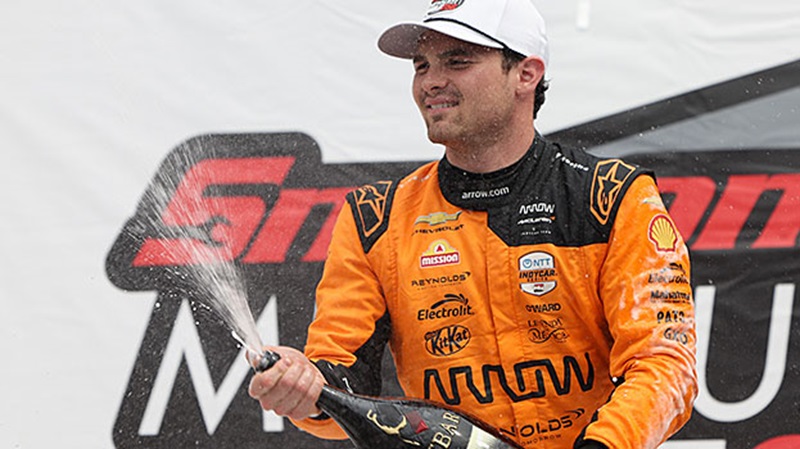
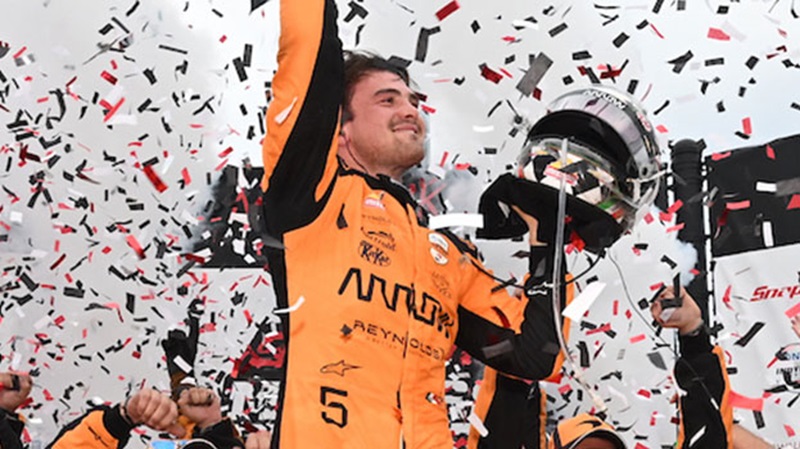
O’Ward knows that firsthand. He has finished second twice in the last four years (2022, 2024; photo, above) and finished third last year. In 2023, he crashed while battling Ericsson for second with seven laps remaining.
That’s why experience in the closing laps often becomes the deciding factor.
Last year, Alex Palou won the Indianapolis 500 in part because of how he lost it to Helio Castroneves in 2021.
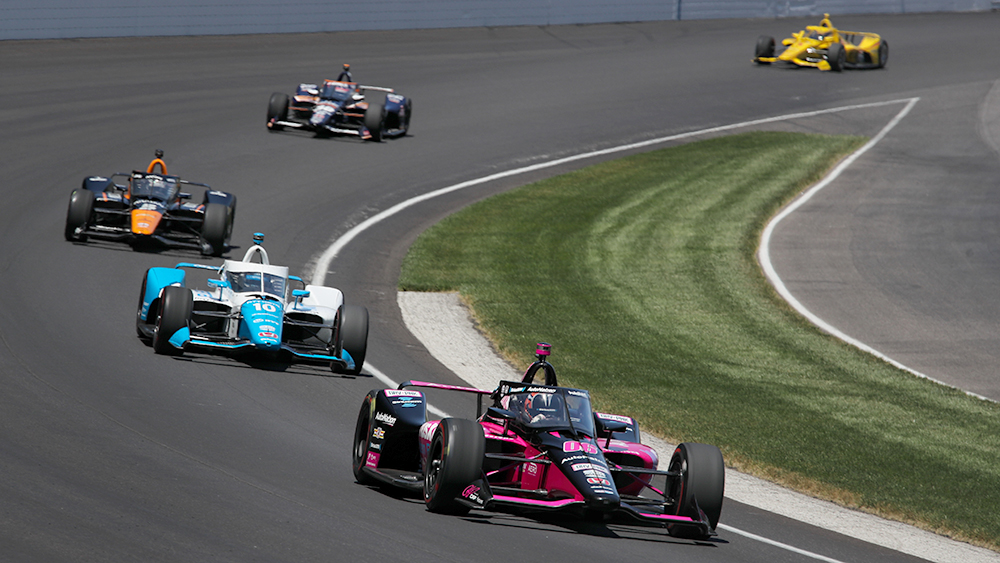
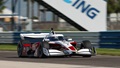
In that race, Castroneves strategically allowed Palou to take the lead on Lap 195 while working through traffic ahead, carefully timing his counterattack. Once a gap opened to the next lapped car, Castroneves made the winning pass with three laps remaining and used the turbulent air from traffic ahead to keep Palou behind him (photo, above).
Three years later, Palou found himself in a nearly identical situation. This time, he intentionally kept the final two lapped cars ahead of him, using their dirty air to prevent Ericsson from mounting a late charge.
That situational awareness has become essential in the modern Indianapolis 500, where drivers often race each other as aggressively as they race the track itself.
“Personally, I don't think you can trust anyone at that point in the biggest race of the year,” said Scott McLaughlin, who starts ninth in the No. 3 Pennzoil Team Penske Chevrolet. “Everyone is prepared to do what they need to do to win the race.”
McLaughlin has been in contention late only once in five previous starts, finishing sixth in 2024.
Conor Daly believes his 13 starts near the front of the field have taught him the same lesson.
“Respect goes out the window and you're just going at each other as hard as possible,” Daly said.
Ericsson has found himself in that position repeatedly since winning the race in 2022. He believes Sunday could produce another frantic finish, one where experience and composure matter more than ever.
The modern Indianapolis 500 no longer allows anyone to simply survive 500 miles and wait for the field to thin out.
“I have a clear game plan in my head for how to win this race and I’m going to stick to it,” Ericsson said. “I think that will put me in the mix.”