








Why INDYCAR Is Different: From Street Circuits to High-Speed Ovals
INDYCAR is known for its distinctive style of racing that demands a unique combination of skill, strategy and physical endurance. Several key factors set the series apart in the world of motorsports.
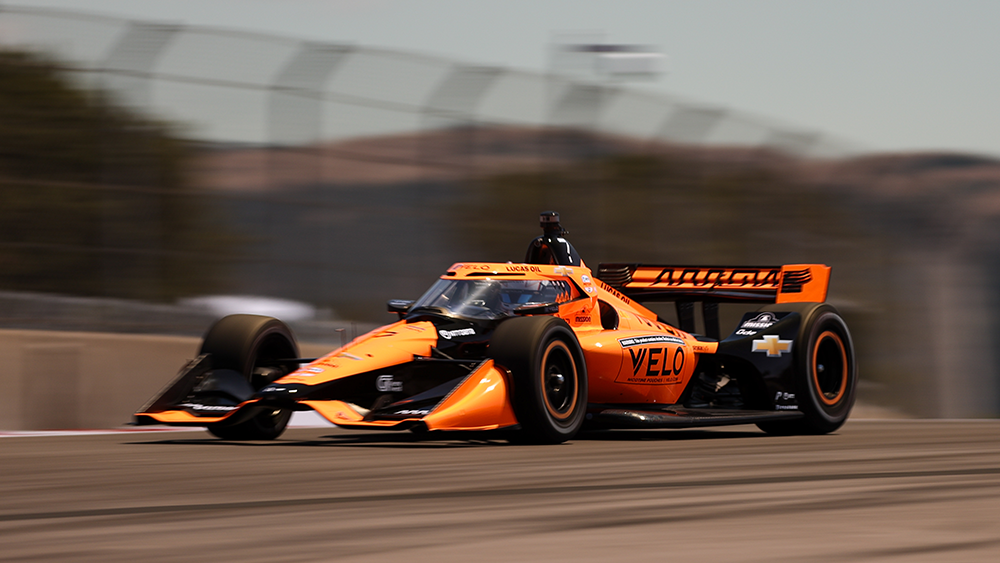
Fiercely Competitive: Pure Driver Skill
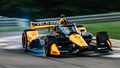
One of the most notable aspects of INDYCAR racing is the lack of electronic driver aids. Unlike many other racing series, INDYCAR cars do not have power steering, traction control or anti-lock braking systems. This means drivers must have exceptional physical strength and finely honed technique to maintain control through demanding corners and long race distances.
The absence of these aids exposes every small mistake, requiring drivers to be constantly engaged and precise. Steering effort can be intense, especially on road and street courses with tight, technical sections, making endurance and upper-body strength crucial. This pure driving challenge helps ensure that success depends heavily on driver talent rather than technological advantages.
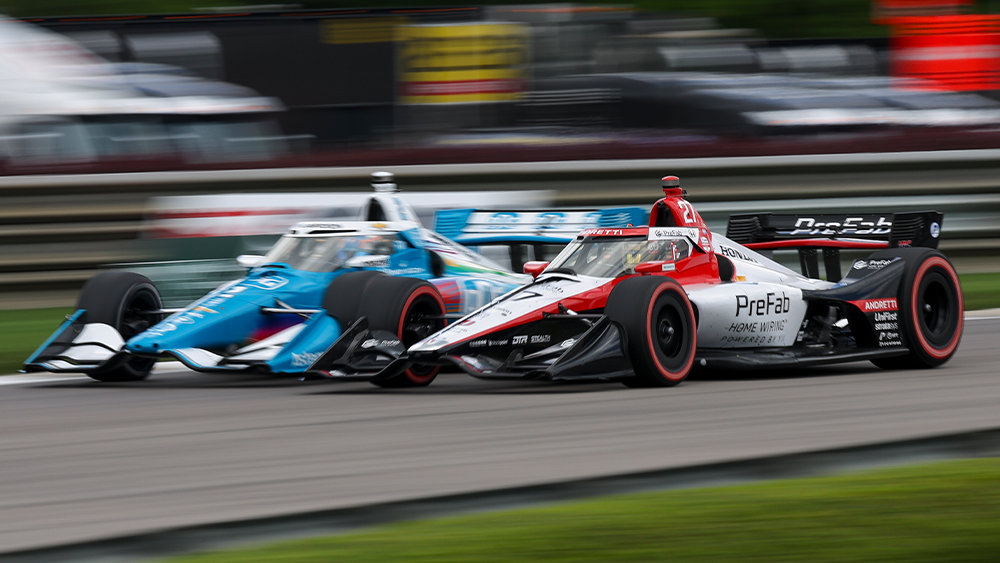
Close Racing and Frequent Overtakes
INDYCAR races are characterized by tightly packed fields and a high number of overtaking maneuvers. The use of spec chassis and regulated engines narrows performance gaps between competitors, allowing for more side-by-side battles and lead changes.
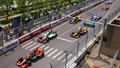
Tracks vary widely – from fast ovals to intricate street circuits – providing different overtaking opportunities and challenges. Additionally, the use of hybrid assist on all tracks and the push-to-pass system on road and street courses gives drivers a tactical boost of extra power to execute passes, making races highly dynamic and unpredictable.
Fans witness constant position changes and intense wheel-to-wheel combat, which keeps the racing exciting from start to finish.
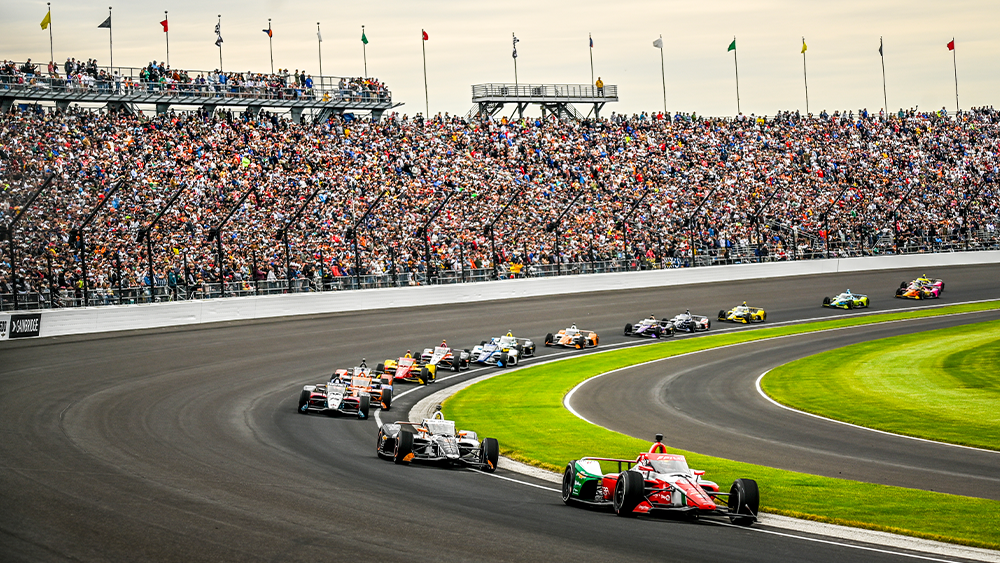
Oval Racing: A Unique Skill Set
Oval racing is a signature feature of INDYCAR, setting it apart from many other open-wheel series. Competing on ovals demands skills that go beyond pure speed. Drivers must excel at pack racing – running closely in large groups at high speeds – where aerodynamic turbulence and limited visibility create a challenging environment.
Drafting is an essential skill on ovals. By positioning their cars strategically behind others, drivers reduce aerodynamic drag and gain speed, enabling slingshot passes and tactical positioning. This requires a deep understanding of airflow, timing and trust in competitors.
The high-speed nature of oval racing also tests drivers’ nerves and reflexes. Mistakes at over 230 mph can have severe consequences, so mental focus and split-second decision-making are vital. The combination of these skills contributes to some of the most thrilling and unpredictable moments in the sport.
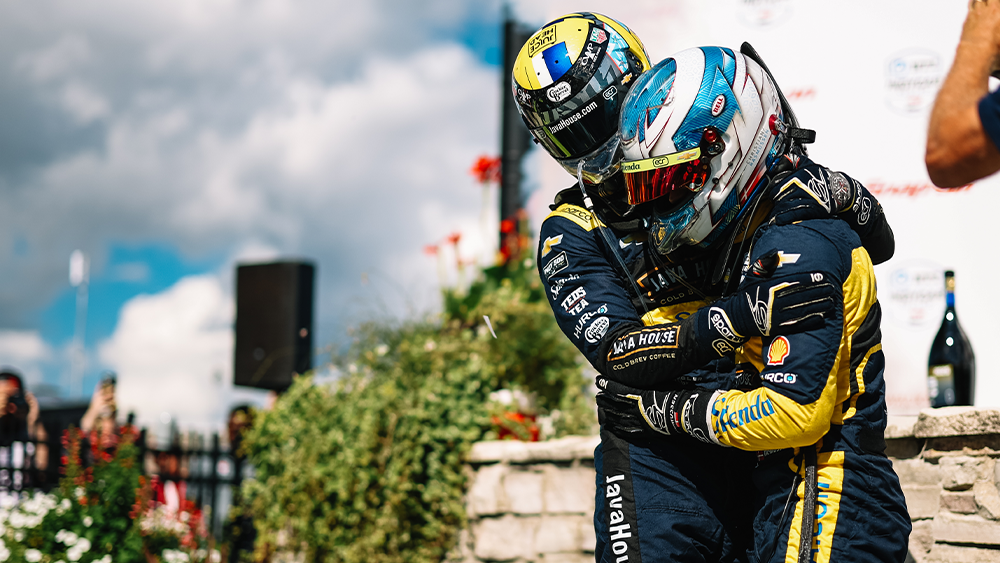
No Team Orders: Strategy Drives the Outcome
Unlike some motorsports where teams issue orders to influence race results – such as asking drivers to hold position or let teammates pass -- INDYCAR maintains a policy of no team orders. This places the emphasis squarely on individual competition and fairness.
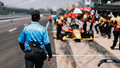
While teams still play a crucial role in planning and executing race strategy – including timing of pit stops, fuel usage and tire management – the decisions about racing tactics and on-track battles are left to the drivers.
This approach fosters genuine competition and ensures that every position is earned on merit. It often results in dramatic shifts during races, with drivers making bold moves to gain positions, and championships decided by driver performance and smart strategy rather than team directives.