








More Smooth Sailing for IR-28 Car in IMS Oval Test With Alex Palou

Eric Smith
INDYCAR Staff Writer
SEP 10, 2026
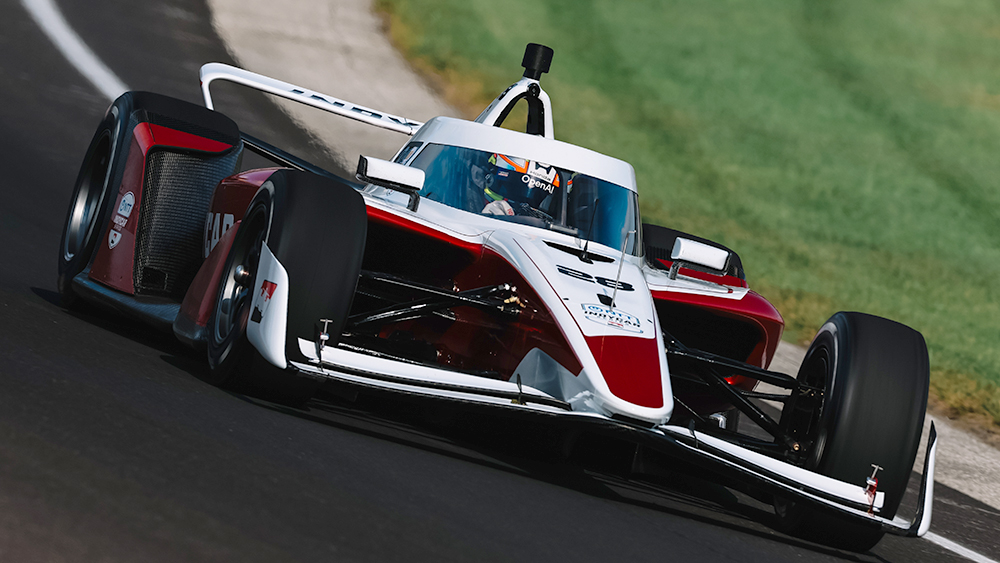
Alex Palou completed the second day of INDYCAR’s IR-28 oval validation test Thursday at Indianapolis Motor Speedway, giving engineers another valuable set of data and driver feedback as development continues on the next-generation NTT INDYCAR SERIES car.
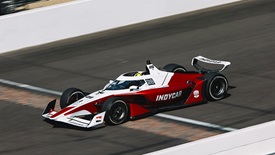
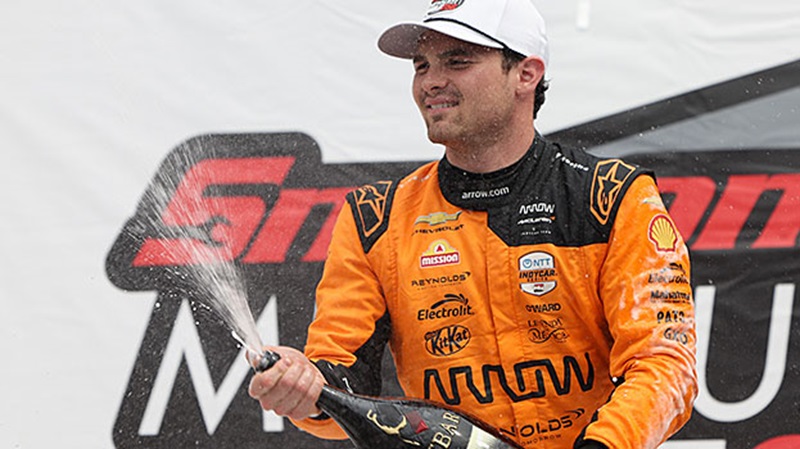
The test went so well that Palou (photo, top) ended his running 15 minutes early after the team completed every item on its checklist.
SEE: Alexander Rossi Takes Early Steps Toward Speed With IR-28
“Very fun,” Palou said. “At the beginning, it was super fun because it’s a new car and you’re back at the Speedway. Then you’re like, ‘Can we go faster?’
“It’s still super fun. I’m testing the new car at the Speedway.”
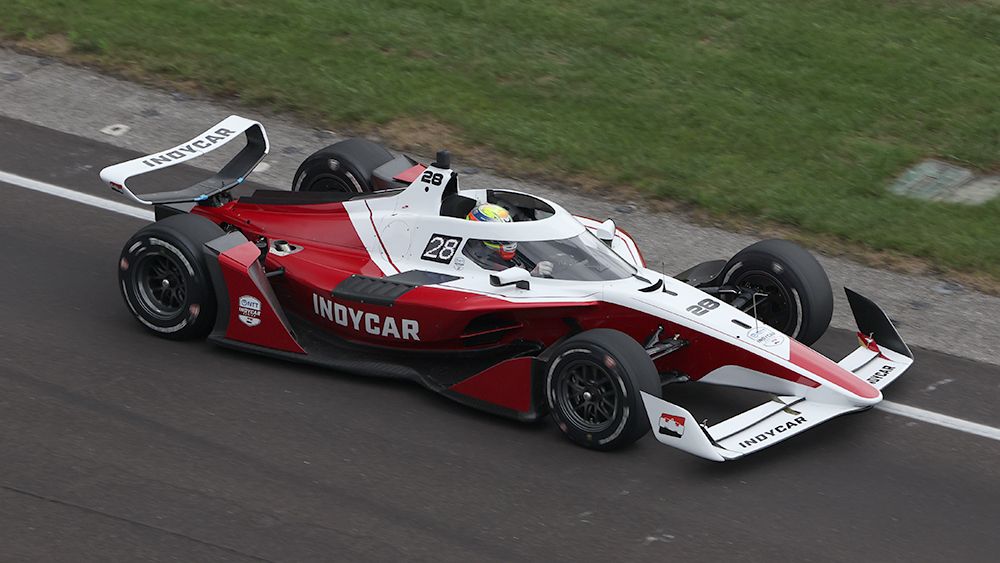
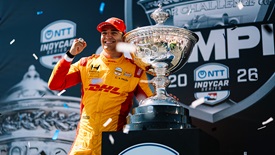
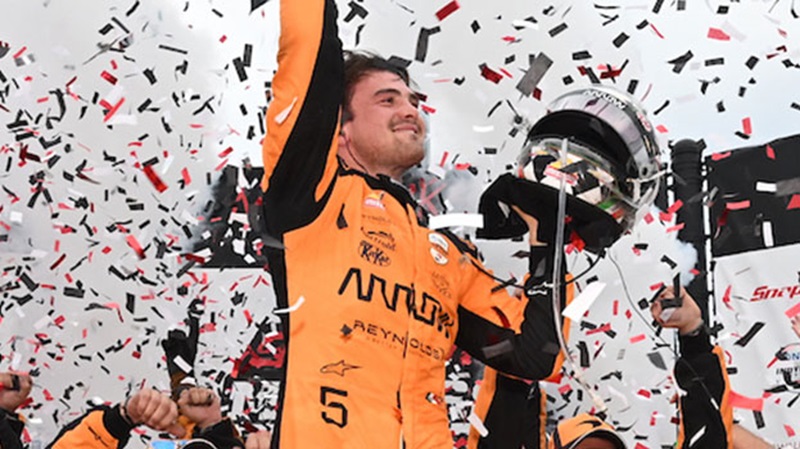
Five-time NTT INDYCAR SERIES champion and 2025 Indianapolis 500 presented by Gainbridge winner Palou (photo, above) was the second driver to experience the IR-28’s oval configuration, following running Wednesday by Alexander Rossi.
Palou and Rossi shared driving duties during the car’s track debut last month on the IMS road course. That three-day test was extended by rain. Rossi, driving for ECR, provided feedback representing Chevrolet teams, while Palou represented Honda teams for Chip Ganassi Racing. Both returned to IMS for the oval validation test.
Rossi completed his testing Wednesday in temperatures that climbed into the low 90s with high humidity. An approaching cold front dropped temperatures nearly 10 degrees Thursday, giving INDYCAR engineers another set of environmental conditions to evaluate the car.
The focus remained on data collection rather than outright speed, despite Palou and Rossi qualifying first and second, respectively, for this year’s Indianapolis 500.
Single-car running allowed engineers to evaluate the IR-28 through a variety of aerodynamic configurations while gathering driver feedback on how the car responds to the demands of oval racing.
Rossi had a separate plan Wednesday than Palou’s checklist Thursday.
The goal of the test was to understand the car’s behavior across different aerodynamic setups and ride heights while identifying opportunities to improve its performance and raceability.
“I don’t really know what he did,” Palou said of Rossi. “I think he did a lot of basic stuff. Even us, we did a lot of basic stuff and trying to get a lot of data for Dallara itself to try and see what the car is doing when we get like crazy ride heights up, down, like just trying to get like basic numbers.”
Considerable development work remains before the IR-28 makes its NTT INDYCAR SERIES race debut in 2028. The two days of oval running at IMS provided another important step in that process, adding data from a variety of aerodynamic configurations and feedback from two Indy 500 winners.
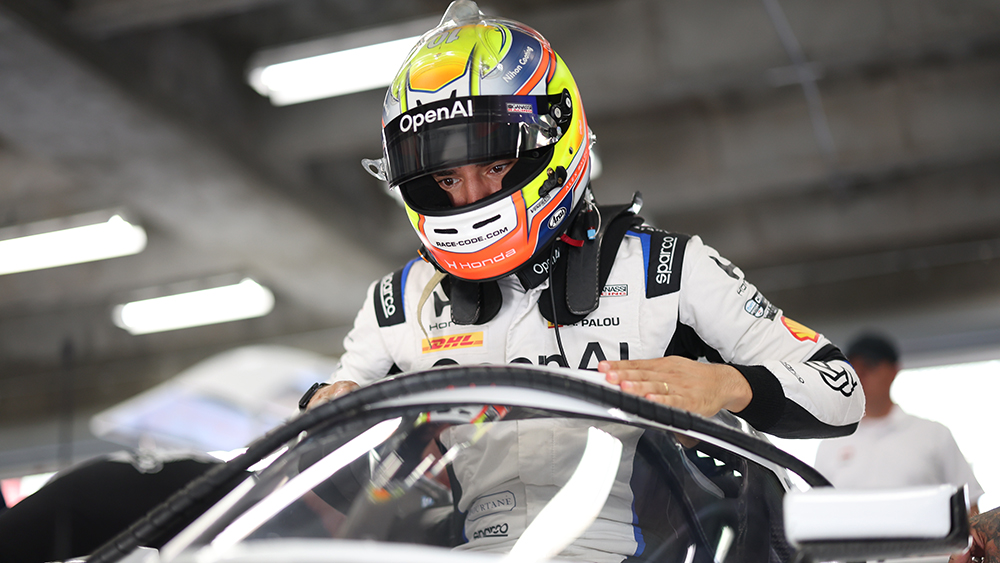
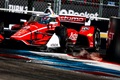
Palou (photo, above) and Rossi now have their first oval impressions of the car that will define the next generation of INDYCAR SERIES racing.
“We got a lot more laps than I expected with the weather, and the car felt good,” Palou said. “We actually got quite a lot of speed. We improved over 2 miles an hour throughout the day, and we didn’t really work too much to get it.”