





3-2-1 ... Light system to control standing starts

Dave Lewandowski
OCT 26, 2012
INDYCAR has lined up the hardware and the software alterations. With those items in the fold, the IZOD IndyCar Series will implement standing starts for at least three races during the 2013 season.
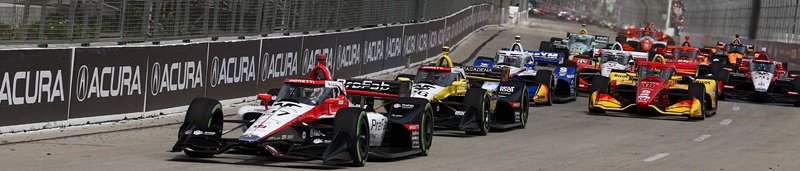
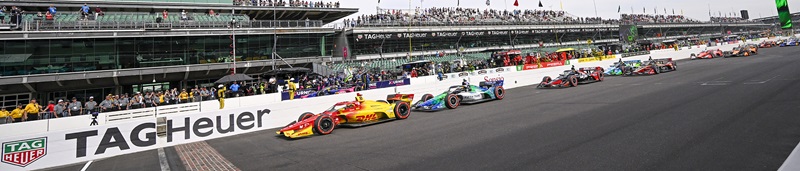
At each of the doubleheader weekends – June 1-2 at Belle Isle, July 13-14 at Toronto and Oct. 5-6 at Houston – drivers for one race will have a traditional North American rolling start following a few pace laps. The other race will feature cars staged on a section of the street courses, with the start controlled by a trackside lighting system.
Both races at the three venues will be full distance with equal points and prize money payouts.
“I’ve worked with a few series in the past that had standing starts and I would implement similar procedures in terms of number of pace laps depending on the length of the circuit, predetermined times for staging, full light system illumination and delay to ‘lights out’ to indicate the start of the race,” said INDYCAR president of competition Beaux Barfield, the IZOD IndyCar Series’ Race Director.
INDYCAR’s competition officials are discussing which starting system would be first on the weekends. The season kicks off March 24 with the Honda Grand Prix of St. Petersburg, whose 1.8-mile circuit includes the long frontstretch of an Albert Whitted Airport runway.
An in-car lighting system was eschewed because of inherent problems associated with two-way radios. Trackside lighting requires “one point of communication from Race Control to the base of the lights and the light system,” according to Barfield.
“We have access to a two-way transponder system that makes it straightforward and simple on how to police jump-starts,” he said.
A software change of increased air pressure to the clutch is the only alteration necessary to implement standing starts, which are similar to a car launching out of its pit box following a service stop. Also being discussed is having the lighting system available for practice at the three (or more) venues, plus a yet-to-be-scheduled preseason Open Test.
“We would leave the lighting system at pit out and designate a pit stall where drivers can stage themselves and practice during practice,” Barfield said. “It’s a way for drivers to practice their own launches and get used to the lighting systems.”