








Baltimore streets set-up: 75 laps of jarring action

indycar.com staff
AUG 31, 2013
NBC Sports Network will broadcast the Grand Prix of Baltimore presented by SRT at 2 p.m. (ET) Sept. 1. Leigh Diffey handles the call, with Townsend Bell and Wally Dallenbach providing analysis.
Radio broadcast: IMS Radio Network affiliates, Sirius and XM 211, American Forces Network, INDYCAR 13 app, www.indycar.com ... Chief announcer: Mike King
Click it: Starting lineup || Warm-up results || Combined practice results
Timing & Scoring: INDYCAR 13 app, Race Control on www.indycar.com
Click it: Grand Prix of Baltimore presented by SRT qualifying results
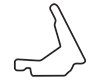
Track layout: 2.04-mile, 12-turn street course
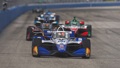
Length: 75 laps with 10 overtake assist pushes for 15 seconds eachRestarts: Double file
Verizon P1 Award winner: Scott Dixon, No. 9 Honda-powered Target Chip Ganassi Racing car, 1 minute, 18.0838 seconds
2012 winner: Ryan Hunter-Reay
First IZOD IndyCar Series event at venue: September 2011, won by Will Power
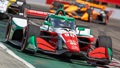
What to watch: The circuit is the highest braking energy track on the IZOD IndyCar Series circuit, according to brake supplier Brembo. Turn 1 is considered the hardest brake zone. Drivers are barreling down the rough street circuit into the right-hander, decelerating from 160 mph to 45. It requires driver patience to make sure the pedal isn't hit too aggressively, which could lock up the brakes.
Because of the long, high-speed straightaway on Pratt Street that includes a light rail line, a chicane has been placed a hundred yards before the tracks to slow the cars. The three-curb chicane has the potential for calamity if a driver crosses the curbing at the wrong angle or at too high a speed. But a driver can also make up tremendous speed through this area if he is able to thread his car through the chicane in just the right manner.
Did you know: Despite the controversy of the Aug. 25 race at Sonoma Raceway, Dixon sent Power a text message that said, “Hey, all best aside, it’s good to see you back in Victory Circle.”